
By Tobi Olaiya, USA.

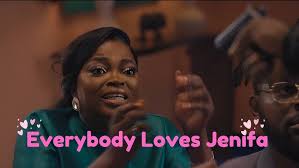

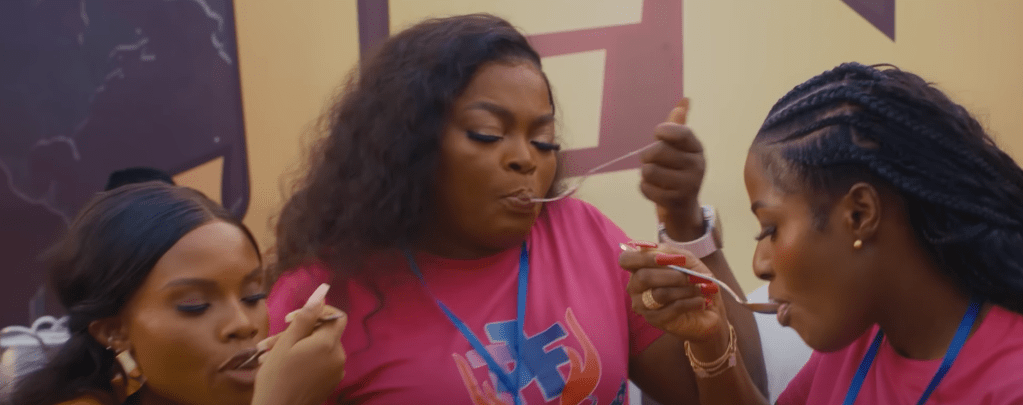
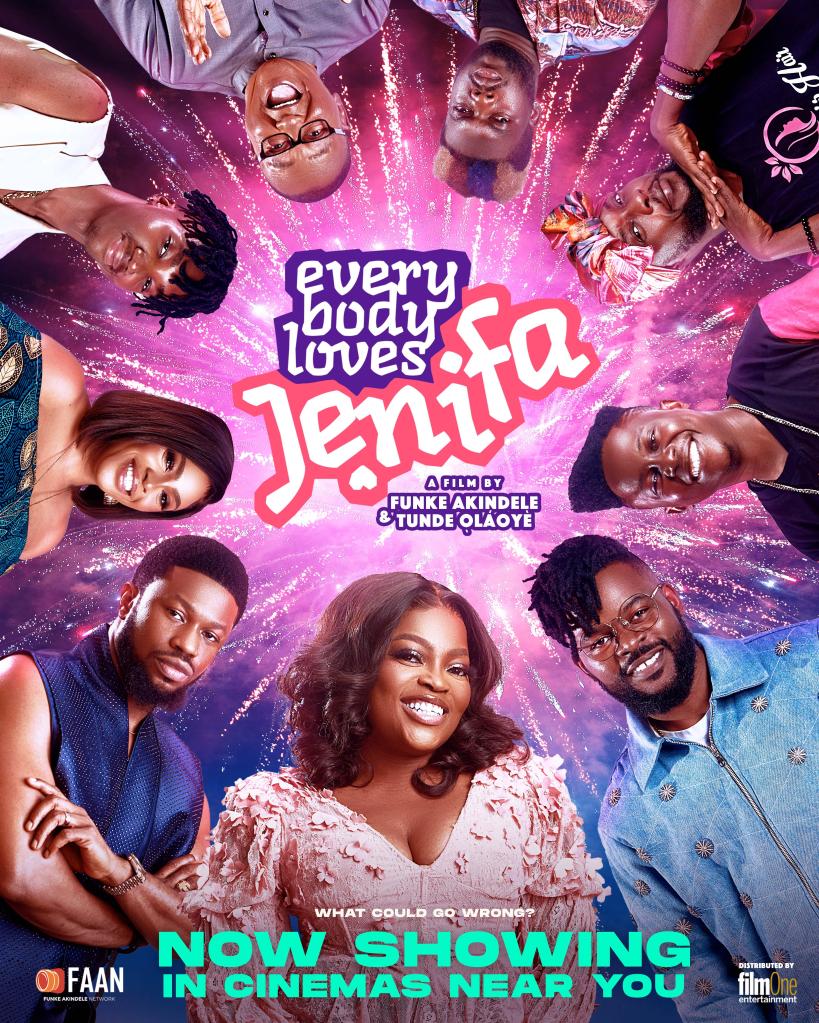
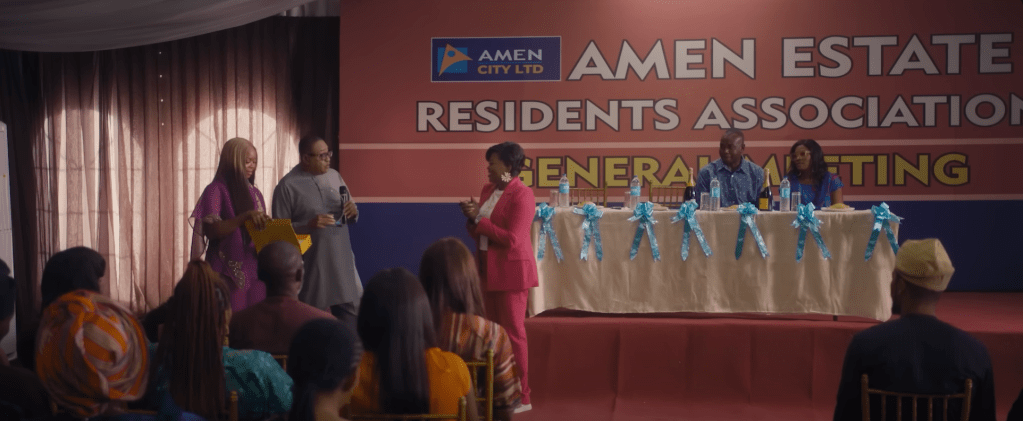
As much as possible, I’ve tried to exclude spoilers below. TL; DR: go watch Everybody Loves Jenifa. It deserves your time and attention and beyond the comic relief, Funke Akindele addresses important issues from drug abuse to domestic violence.
Funke Akindele’s Jenifa has been a phenomenon for almost two decades. I still remember watching the first Jenifa movie and multiple scenes and lines including Jenifa’s infamous fight with Gbogbo big girls and the foreboding of doom ushered in by 9ice’s Gongo Aso in the party scene remain vivid in my mind. Building on the success of Jenifa, Akindele returned with several sequels including Jenifa’s Diary, a series based on Jenifa’s life that captivated audiences globally. The series birthed iconic characters such as Sege, Paupau, Adaku, Timini, and Toyobaby.
With Everybody Loves Jenifa, Akindele breathes new life into Jenifa’s character and in tune with the other Jenifa prequels, Akindele addresses critical issues including drug abuse, domestic violence, women’s rights, fraudulent non-governmental organizations, and youth empowerment. The thread of addressing important societal issues through humour is a running thread in the different versions of Jenifa. One critique of Jenifa over time has been the lack of or rather abysmal — depends on who you talk to — improvement in the main character, Jenifa’s, grasp of the English language. Even with her growth, wealth, and exposure, Jenifa’s English in Everybody Loves Jenifa is almost as bad as it was in the original movie, Jenifa. In Everybody Loves Jenifa, Akindele addresses this head-on and says that she needs to be accepted as she is, bad grammar and all. This shows that Akindele is well aware of this critique and the lack of improvement in Jenifa’s grammar is an intentional artistic choice.
In Everybody Loves Jenifa, Jenifa is portrayed not only as a good friend and neighbor but as a staunch defender of women’s rights, an advocate for youth empowerment, and a crusader against the use of drugs. Jenifa addresses these issues directly and in true Jenifa-style, meddles, intrudes, and pokes her nose in issues that do not affect her directly until justice is served. In the course of doing this, she gets in trouble with her neighbors and is forced to vacate her home for fear of her safety. Although Jenifa’s method of addressing issues that plague society are inelegant, it yields the needed results.
Beyond addressing hard issues through comedy, Everybody Loves Jenifa, also reintroduces much-beloved characters from Jenifa’s Diary including Sege and Toyobaby and introduces us to new characters such as Rex and Madam Bassey. For me, the breakout star from Everybody Loves Jenifa is Issac Olayiwola also known as Layi Wasabi. The scene in Ghana where he gets angry at Jenifa’s antics and shouts at her while Sege watches helplessly is fantastic and a break from Layi’s usual comic portrayal in his skits. It shows Layi’s versatility, and I look forward to seeing him in more complex roles. The film also includes vibrant colors and scenes and perhaps the most important part of the movie in my very biased opinion is the inclusion of legendary musician, Lagbaja, and the use of his song Never Far Away.
With Everybody Loves Jenifa, Funke Akindele reminds us why she’s a household name and in the words of Jenifa, “Sulia kan, Aiyetoro kan” or should I say “Jenifa kan, Worldwide kan”. The world is Akindele’s oyster, and I look forward to what she does next.
Watch the trailer here: EVERYBODY LOVES JENIFA TRAILER !!


 Nollywood in Review
Leave a reply to Olaiya Bisola Cancel reply